Food prices in Europe have risen 33 percent since the pandemic, hitting low-income families the hardest
While overall inflation in the eurozone has eased, the surge in food prices since 2019 is straining household budgets, especially among those with the lowest incomes.

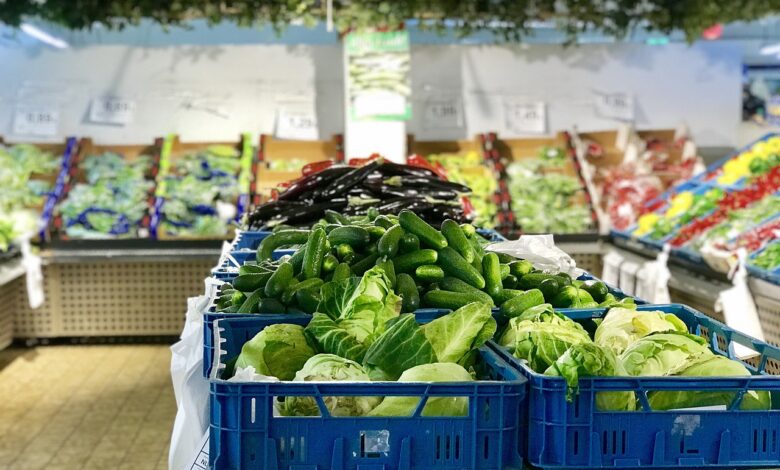
Food prices across Europe have soared by an average of 33 percent since the end of 2019, according to data from the European Central Bank (ECB). Although general inflation in the eurozone has cooled to around 2 percent, the sharp increase in the cost of basic groceries remains one of the everyday challenges facing millions of households. The steepest rises have been seen in products such as meat, milk, butter, and especially olive oil, with southern Spain’s severe drought driving olive oil production down and pushing prices to record highs.
The rise in food costs varies significantly between countries. In Cyprus, food is up 20 percent, in France 27 percent, Italy 28 percent, Greece 30 percent, and Portugal 32 percent. Even steeper increases have hit Germany, where prices jumped 37 percent, Croatia at 47 percent, and Slovakia at 52 percent. In the Baltic states, the surge tops 50 percent, making access to essential foods a pressing social issue. Experts attribute the hikes to a range of factors, including market instability caused by the war in Ukraine, climate change impacts such as drought and floods reducing harvests, and globally higher prices for raw materials and labor.
Lower-income families are feeling the strain the most, as a larger share of their budgets goes toward food, energy, and housing. While wage growth in the past two years has helped offset some of these pressures, the ECB notes that food prices are still rising faster than other necessities, with an annual increase projected at 3.2 percent through August 2025. Government measures like tax cuts and aid packages have had limited impact, and experts warn that sustained high food prices could pose ongoing social and political risks, making food security and social stability top issues for policymakers.


