A recent study reveals that children owning smartphones before thirteen face significantly higher mental health risks in adolescence and young adulthood
Analysis of over 100,000 global youths links early smartphone ownership to increased rates of emotional and psychological challenges

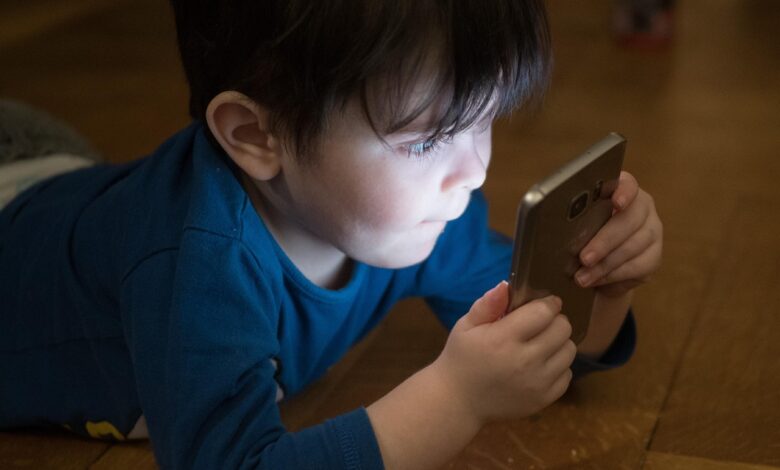
A new international study has shed light on the growing concerns over early smartphone ownership among kids, suggesting that children given smartphones before the age of thirteen are significantly more likely to experience a range of serious mental health issues later in adolescence and young adulthood. The research points to elevated risks of suicidal thoughts, episodes of anger, emotional instability, reality detachment, and low self-esteem among those who get access to smartphones at a young age.
Experts involved in the study emphasize that early exposure not only increases mental health vulnerabilities but also opens the door to harmful online experiences such as cyberbullying, sleep disruption, and breakdowns in family communication. They warn that social media, which is often accessed via smartphones, can intensify these negative effects, underscoring the importance of delayed access for children.
Published in a leading academic journal and drawing from data on over 100,000 youths worldwide using the Global Mind Project’s assessments, the findings largely focus on Generation Z—the first generation to grow up immersed in smartphones and digital connectivity. Researchers call for stricter rules around device and social media use among children under thirteen, comparing the potential harms to those seen with alcohol and tobacco, and advocating for greater parental oversight and legislative attention.