Belgium faces historic drought as rainfall hits 130-year low
Unusually dry weather strains agriculture, water supply, and daily life across the country

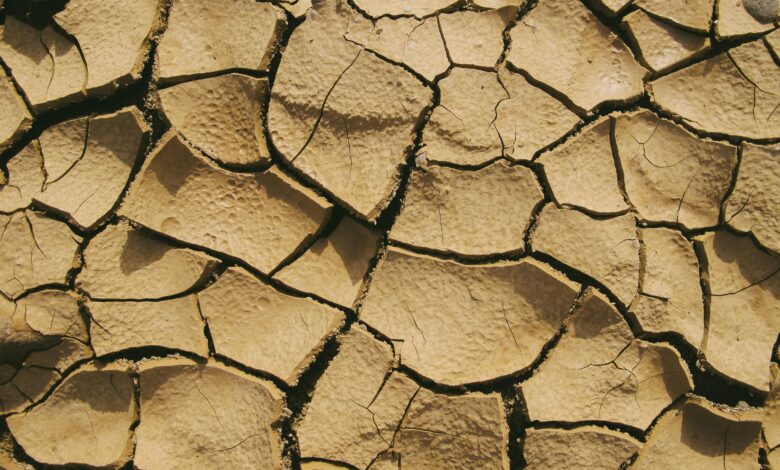
Belgium is currently grappling with one of its most severe droughts in more than a century, as rainfall levels have plunged to historic lows since early spring. The Uccle measurement station has recorded only a quarter of the typical rainfall since March 1, marking the driest period there in almost 130 years. This prolonged dry spell has left over forty villages struggling, with many farmers unable to plow their parched fields and water shortages growing more acute by the day.
The ongoing drought has wide-ranging consequences, affecting both rural and urban communities. Cattle are unable to graze as grasslands dry out, and water levels in local ponds have dropped noticeably. In towns and cities, residents seek relief from the unseasonable heat by gathering in shaded squares and communal spaces, hoping to cool off as temperatures continue to rise.
Experts at the Royal Meteorological Institute are calling for urgent action, asking citizens to be mindful of water consumption as the situation remains fragile. Climatologists warn that persistent anticyclonic weather patterns could lead to further hot and dry conditions, potentially surpassing even the country’s infamous heatwave of 1976. As concern mounts, many are looking to both immediate and long-term solutions to cope with this unprecedented drought.


