Restriction Proposed Due to Mackerel Shortage in the Northeast Atlantic
Scientists call for a drastic reduction in mackerel fishing quotas in the Northeast Atlantic, highlighting urgent conservation needs and industry concerns

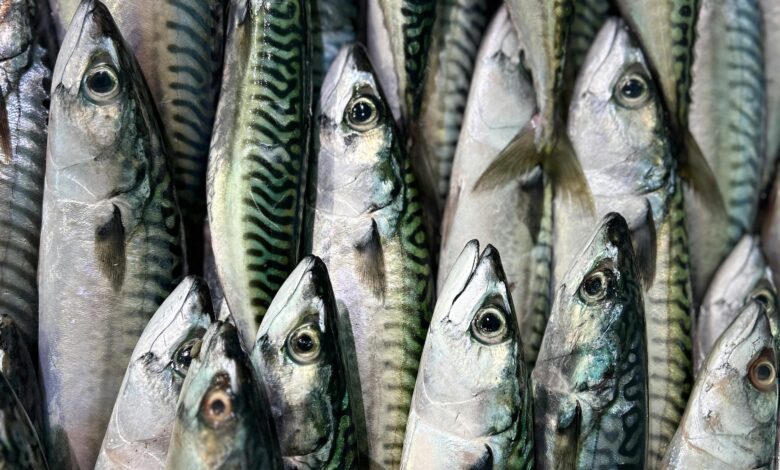
In a significant announcement Tuesday, the International Council for the Exploration of the Sea (ICES) stated that mackerel fishing in the northeast Atlantic should be greatly reduced by 2026. Citing sharp declines in mackerel populations, scientists recommended that next year’s catch be cut by 77% compared to 2025 to help ensure the species’ survival. Once viewed as a sustainable choice, mackerel has now experienced such a severe drop that its Marine Stewardship Council (MSC) certification was suspended in 2019, a designation reserved for fisheries that avoid overfishing and limit environmental impact.
Leading environmental organizations have echoed these concerns. The World Wide Fund for Nature (WWF), referencing the ICES recommendations, issued a warning about the critical status of mackerel and urged immediate action. WWF cautioned that the ongoing cycle of decline needs to be halted and advised consumers to stop eating mackerel. Good Fish, another environmental group, had similarly advised in April against consuming mackerel and herring from the Atlantic due to overfishing worries.
However, the fishing industry has raised issues with the proposed restrictions. The Dutch fishing association Visfederatie argued that these recommendations would have a significant negative impact on the Netherlands’ fishing sector. The organization pointed to Norway and the Faroe Islands as main contributors to the overfishing problem, but asserted that it is fishers and consumers within the European Union who ultimately bear the consequences.


