Palestinians Gather for Eid Prayers Amid Ruins of Destroyed Mosques
Thousands in Palestine mark Eid al-Adha by praying on the rubble of mosques devastated by Israeli attacks, showing resilience and unity despite ongoing hardships

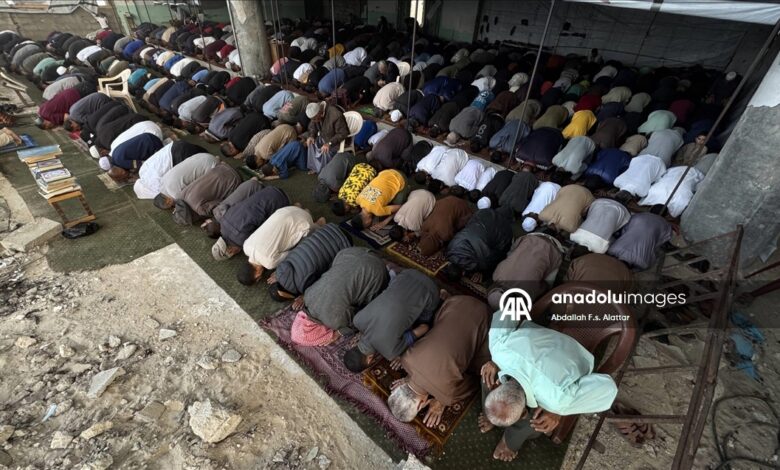
On June 25, thousands of Palestinians came together to perform Eid prayers among the rubble of mosques destroyed by recent Israeli attacks. At dawn, families gathered amid the debris of the Imam Muhammad al-Bani Mosque and other shattered places of worship, united in faith and spirit despite the devastation surrounding them. Women, children, and the elderly stood side by side, their faces marked by sorrow but also hope, turning to prayer as a source of comfort and strength.
The destruction did not diminish the sense of community or spiritual resolve among those present. Many attendees spoke of the heavy toll that continued displacement, blockade, and bombardment had taken on daily life in Gaza, casting a shadow over this year’s Eid celebrations. Hussein al-Galban and others emphasized that these collective prayers within the ruins served as a powerful message of resilience and defiance against both Israel and its supporters.
Amid ongoing assaults and restrictions, Palestinians remain determined to preserve their traditions and faith. Praying together in the devastated areas, they drew strength from their unity, sending a clear signal that hope and identity endure even in the aftermath of destruction. As Eid unfolded this year under trying circumstances, the people of Palestine clung to their beliefs and heritage with unwavering resolve.


