Belgium confirms first bluetongue cases of the year, animal trade restricted
Federal agency announces confirmed BTV8 infections in cattle, sheep, and goats, leading to strict new rules for animal movement within the EU

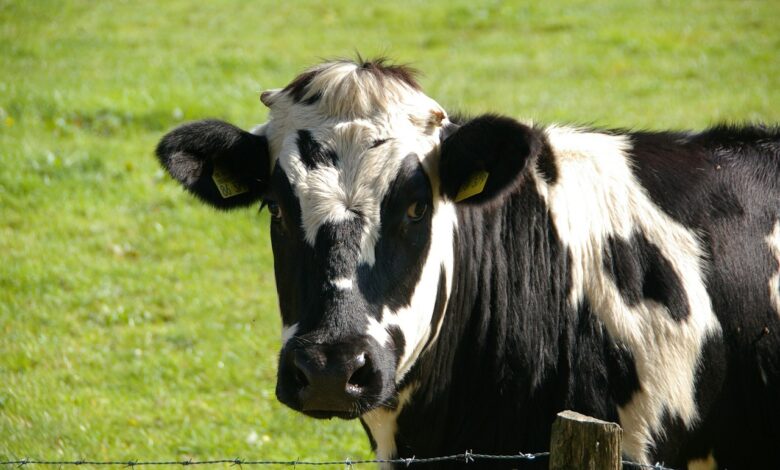
Belgium has reported its first confirmed cases of bluetongue disease (BTV8 type) in cattle, sheep, and goats in 2025, marking the first appearance of this strain in the country in recent years. The Federal Agency for the Safety of the Food Chain (FASFC) stated that the infections, found during routine testing and export checks, showed no symptoms in affected animals due to effective vaccination efforts. FASFC spokesperson Hélène Bonte noted that vaccinated animals either displayed no signs of illness or only mild symptoms, and reassured producers and traders that the ongoing vaccination campaign is making a noticeable difference.
As a result of these new cases, Belgium has been classified as an infected region within Europe, triggering fresh trade restrictions. The sale and movement of cattle, sheep, and goats to other European Union countries is now only possible if the animals are vaccinated. Strict regulations are being enforced on trade and shipments to limit the spread of the disease and protect animal health. Authorities have urged all producers and dealers to rigorously follow vaccination protocols and adhere to the updated rules, while slightly looser requirements will apply to animals sent for slaughter, as long as they come from farms that have not reported recent bluetongue cases and have shown no symptoms for at least 30 days.
FASFC emphasized that the large-scale vaccination campaign undertaken in 2025 has produced positive results, with most vaccinated livestock either healthy or only mildly affected even when exposed to the virus. Bluetongue primarily impacts sheep and cattle, causing high fever, swelling of the mouth, respiratory difficulties, and reduced milk production, and can sometimes be fatal, though it does not infect humans. Agency officials stress that vaccination and vigilant surveillance remain key tools in preventing outbreaks, and that the approach of the end of the insect vector season should help further limit the spread of the virus. Belgium has been grappling with several bluetongue outbreaks since 2023, which led to the mandatory vaccination program launched in early 2025.


