Most Homeless People in Brussels Struggle With Addiction and Mental Health Issues
A new study published in Brussels Studies reveals that addiction and mental health problems are widespread among the city's homeless population, with many facing additional challenges related to citizenship and survival strategies.

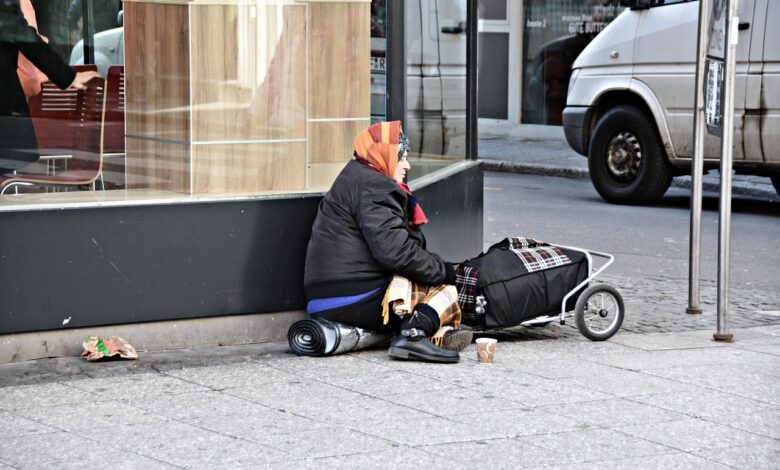
A recent study featured in Brussels Studies shows that the majority of Brussels’ homeless population faces serious challenges tied to alcohol and substance abuse, with nearly half also dealing with mental health issues. Led by KU Leuven researcher Stef Adriaenssens, street worker Bert De Bock, and Odisee lecturer Mieke Schrooten, the research analyzed data from the Diogenes vzw aid organization, which supports people experiencing homelessness. The findings indicate that most homeless individuals in Brussels are men, and more than two-thirds are not Belgian citizens, with significant numbers coming from Poland and Romania, including a notable Romani minority. Many live under uncertain or undocumented residency statuses.
In addition to addiction and mental health struggles, the study highlights that over 40% of those who beg on the streets are dependent on substances. Women and Roma are more likely to turn to begging as a means of survival when alternative sources of income or social assistance are unavailable. Many of these individuals lack access to stable support systems, making them more vulnerable to the dangers of life on the streets.
The study’s authors emphasize that for many, begging becomes a survival strategy when all other options have disappeared—often viewed as a last resort. While begging is considered less harmful than street-based prostitution or petty crime, the researchers note it remains an extremely precarious way to get by. The report calls for greater support and tailored solutions to address both the structural and personal obstacles faced by Brussels’ homeless.


